

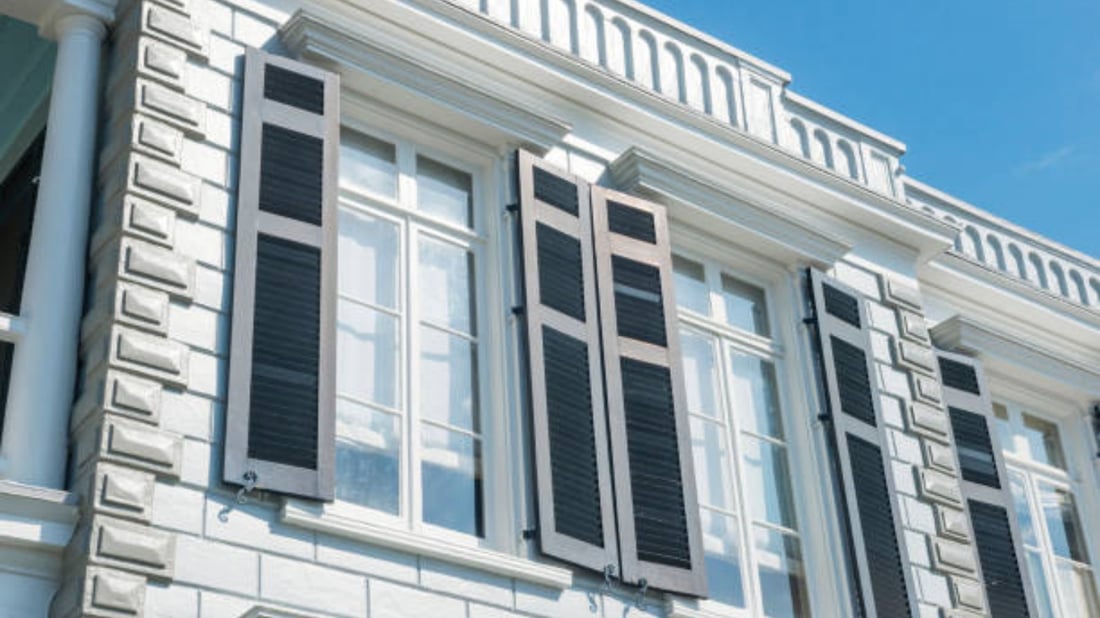
Introduction to Adjustable shutter louvers
Adjustable shutter louvers are window or vent coverings designed with slats that can be tilted to control the amount of light, air, and privacy entering a space. Unlike fixed louvers, these adjustable systems offer flexibility and adaptability, making them popular in both residential and commercial buildings. They provide an elegant combination of functionality and aesthetics, allowing users to customize ventilation and light intake as per their needs.
Materials and Construction of Adjustable Shutter Louvers
Adjustable shutter louvers are constructed from various materials such as wood, aluminum, vinyl, and composite blends. Each material imparts distinct characteristics, including durability, insulation, weather resistance, and style. For instance, wood offers a classic appeal but requires more maintenance, while aluminum louvers are lightweight and resistant to corrosion. The choice of material impacts the louvers' lifespan and performance in different environments.
Adjustable Shutter Louvers and Energy Efficiency
One of the significant advantages of adjustable shutter louvers is their contribution to energy efficiency. By controlling sunlight exposure and airflow, they reduce reliance on artificial lighting and air conditioning. During hot months, louvers can be angled to minimize heat gain, while in cooler periods, they can be opened to allow warmth and natural light inside. This dynamic control helps lower energy bills and enhances indoor comfort.
Design Versatility and Architectural Integration
Adjustable shutter louvers are highly versatile in design, complementing various architectural styles ranging from traditional to contemporary. Their customizable slat widths, finishes, and colors enable seamless integration with building facades and interior décors. Architects often utilize louvers as functional decorative elements that enhance building aesthetics while maintaining practical benefits such as shading and ventilation.
Privacy Control with Adjustable Shutter Louvers
Privacy is a critical factor in both homes and offices, and adjustable shutter louvers excel in allowing users to modulate visibility from the outside. By tilting the louvers, occupants can limit sightlines without sacrificing fresh air or natural light. This nuanced control fosters a secure and comfortable environment, especially for ground-floor rooms or buildings in densely populated areas.
Ventilation Advantages of Adjustable Louvers
Proper ventilation is essential for maintaining indoor air quality and preventing moisture buildup. Adjustable shutter louvers optimize airflow by enabling occupants to regulate the volume and direction of incoming air. This feature is particularly valuable in hot, humid climates where passive cooling strategies reduce dependence on mechanical ventilation systems. Adjustable louvers support sustainable building practices by enhancing natural ventilation.
Maintenance and Durability Considerations
The maintenance requirements for adjustable shutter louvers depend largely on materials and design quality. Vinyl and aluminum louvers typically require minimal upkeep, resisting fading, warping, and corrosion. Wooden louvers, while aesthetically appealing, may demand periodic sealing or painting to maintain their condition. Easy cleanability is another advantage, as adjustable louvers can be tilted fully open to facilitate dusting and washing.
Applications in Commercial and Residential Settings
Adjustable shutter louvers find extensive use in both commercial and residential environments. In commercial buildings, they are employed for sun shading on façades and enhanced energy management. Residential installations often focus on enhancing comfort and curb appeal. Their adaptability makes them suitable for verandas, patios, windows, and ventilation shafts, offering a cohesive solution tailored to various functional demands.
Smart Technology Integration
Recent advancements have brought smart technology into adjustable shutter louvers, enabling motorized adjustments controlled via remote controls or smartphone apps. Automated systems respond to environmental sensors, adjusting louver angles based on sunlight intensity, temperature, or occupancy patterns. This integration elevates user convenience, optimizes energy savings, and propels adjustable shutter louvers into the realm of intelligent building components.
Cost Factors and Investment Value
The cost of adjustable shutter louvers varies depending on material, size, customization, and technological features. While initial investment may be higher than traditional fixed shutters, the long-term benefits in energy savings, comfort, and property value often justify the expense. Furthermore, the durability and low maintenance of high-quality louvers lead to reduced lifecycle costs, making them a financially sound choice for property owners aiming for sustainability and performance.