

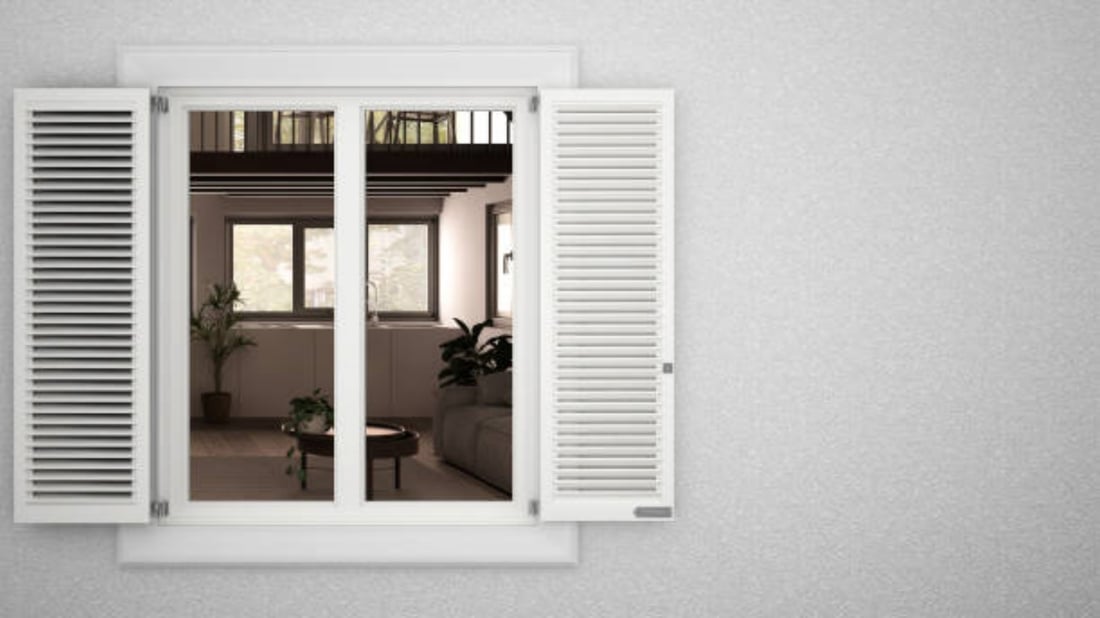
Introduction to Thermal break UPVC shutter profiles
Thermal break UPVC shutter profiles represent an advanced solution in window and door manufacturing, combining durability with excellent insulation properties. These profiles are specifically designed to reduce heat transfer, enhancing energy efficiency in residential and commercial buildings. Their widespread adoption has revolutionized the shutter market by offering a practical and eco-friendly alternative to traditional materials.
Material Composition and Structure
Thermal break UPVC shutter profiles are crafted using unplasticized polyvinyl chloride (UPVC) integrated with a thermal barrier, usually made of specialized insulating materials like polyamide or foam inserts. This multilayered construction disrupts thermal conductivity between the inside and outside, effectively minimizing heat loss or gain. The material’s robustness also offers superior resistance to corrosion and weathering effects.
Energy Efficiency Benefits
One of the primary advantages of thermal break UPVC shutter profiles is their ability to improve a building’s energy efficiency. By preventing thermal bridging, these profiles help maintain consistent indoor temperatures, reducing the reliance on heating and cooling systems. This leads to substantial savings on energy bills and contributes to lowering carbon footprints.
Enhanced Acoustic Insulation
In addition to thermal insulation, thermal break UPVC shutter profiles significantly reduce noise infiltration from the external environment. The combination of UPVC and thermal barriers acts as a sound dampener, making these shutters ideal for urban areas or locations exposed to high traffic noise, thus providing occupants with a quieter, more serene indoor environment.
Design Versatility and Aesthetics
Thermal break UPVC shutter profiles offer a wide range of design possibilities. Available in various colors, finishes, and styles, they can be customized to match architectural themes and personal preferences. Their sleek, modern appearance enhances the visual appeal of buildings while retaining functionality.
Durability and Maintenance
UPVC as a base material provides excellent durability, being resistant to rot, rust, and insect damage. The thermal break design does not compromise strength; instead, it reinforces structural stability. Maintenance requirements for these shutter profiles are minimal—simple cleaning is sufficient to keep them looking new and functioning optimally for many years.
Environmental Impact and Sustainability
The use of thermal break UPVC shutter profiles contributes to sustainable building practices. Their energy-saving properties reduce greenhouse gas emissions, while many manufacturers employ eco-friendly production methods. Furthermore, UPVC material is recyclable, and its long lifespan minimizes the frequency of replacements, lowering construction waste.
Cost Considerations and Return on Investment
Though thermal break UPVC shutter profiles may have a higher upfront cost compared to standard shutters, their long-term financial benefits justify the investment. Energy savings, lower maintenance costs, and durability ensure that property owners receive excellent return on investment over time. Additionally, improved building performance may increase property value.
Installation and Compatibility
Installation of thermal break UPVC shutter profiles is straightforward, often compatible with existing window and door frames. Professional installers ensure precise fitting to maximize thermal and acoustic benefits. These profiles can also be integrated with other energy-efficient building components, such as double glazing and weather seals, for enhanced overall performance.
Future Trends and Innovations
The market for thermal break UPVC shutter profiles continues to evolve, with innovations focusing on improving insulation materials, enhancing recyclability, and incorporating smart technology. Advancements such as embedded sensors for temperature regulation and automation systems promise to further increase their functionality, making these profiles integral to smart, sustainable buildings of the future.