

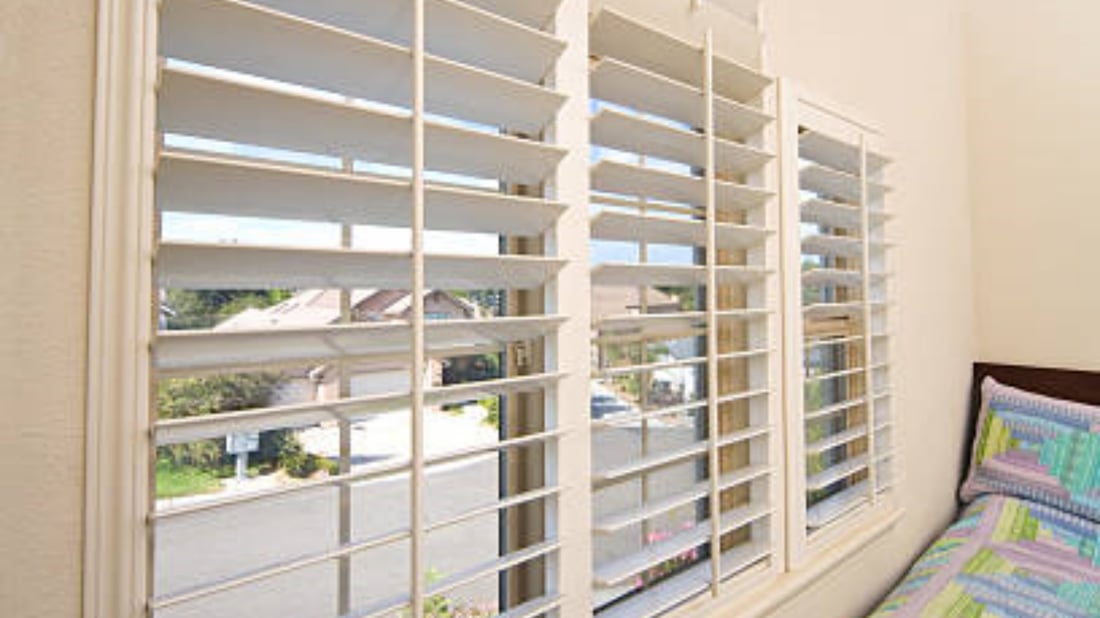
Introduction to Ventilation shutter louvers
Ventilation shutter louvers are architectural components designed to facilitate airflow while providing protection from environmental elements. These devices combine functionality and aesthetic appeal, serving as an essential feature in various structures such as commercial buildings, residential properties, and industrial facilities. Their ability to regulate air circulation helps maintain indoor air quality and energy efficiency, making them indispensable in modern construction.
Material Varieties and Their Impact on Performance
Ventilation shutter louvers are available in diverse materials including aluminum, galvanized steel, wood, and durable plastics. Each material offers unique advantages in terms of durability, corrosion resistance, and maintenance requirements. Aluminum louvers are popular for their lightweight nature and rust-proof qualities, whereas steel louvers excel in heavy-duty industrial environments. The choice of material directly affects the lifespan and performance of the ventilation system.
Design Features Enhancing Airflow Management
The design of ventilation shutter louvers plays a crucial role in controlling the volume and direction of airflow. Common design elements include adjustable blades, fixed slats, and angled patterns to shield against rain and debris. Adjustable louvers allow for customized ventilation based on environmental conditions, promoting energy efficiency by minimizing reliance on mechanical cooling or heating systems.
Energy Efficiency Benefits
Ventilation shutter louvers contribute significantly to energy savings within buildings by enabling natural ventilation. They reduce the need for air conditioning systems by facilitating the exchange of indoor and outdoor air. Improved airflow helps regulate temperature and humidity levels, lowering energy consumption and operational costs. Integrating louvers effectively supports green building certifications and sustainable construction practices.
Protection from Environmental Elements
Beyond airflow, ventilation shutter louvers offer protection against rain, dust, insects, and direct sunlight. The slanted design prevents water ingress and blocks debris, safeguarding interior spaces while maintaining ventilation. Many louvers come with insect screens or mesh inserts, enhancing indoor comfort and hygiene. This protective functionality makes them particularly valuable for industrial and agricultural applications.
Applications in Residential and Commercial Settings
In residential buildings, ventilation shutter louvers are often used in attic vents, bathroom exhausts, and HVAC systems to improve air circulation and curb moisture buildup. Commercial establishments incorporate these louvers in façades, mechanical rooms, and equipment enclosures to ensure optimal ventilation and equipment longevity. Their adaptability to different environments makes them a versatile ventilation solution.
Installation Considerations and Best Practices
Proper installation of ventilation shutter louvers is essential to maximize their effectiveness. Factors such as placement, orientation, and sealing impact airflow efficiency and weather resistance. Professional guidance ensures louvers are installed in strategic locations that promote cross-ventilation while minimizing air leakage. Regular maintenance also prolongs the operational life of louvers by preventing blockage and mechanical wear.
Customization and Aesthetic Integration
Modern ventilation shutter louvers can be customized to complement architectural styles. Available in various colors, finishes, and sizes, these louvers are designed to integrate seamlessly with building exteriors. Customization options extend to blade angles and spacing to meet specific airflow requirements without compromising the building’s visual appeal. This fusion of utility and design enhances overall property value.
Innovations in Ventilation Shutter Louver Technology
Recent advancements include motorized and automated ventilation shutter louvers that adjust blade positions based on environmental sensors. These intelligent systems optimize ventilation dynamically, responding to temperature, humidity, and air quality changes. Smart louvers contribute to building automation by improving indoor environmental quality and reducing energy consumption through precise control.
Maintenance and Longevity of Ventilation Shutter Louvers
Routine maintenance is critical for ventilation shutter louvers to function efficiently over time. Cleaning accumulated dust, checking for mechanical damage in adjustable models, and inspecting seals prevent operational issues. Choosing corrosion-resistant materials also extends the service life of louvers, especially in harsh climates. Well-maintained ventilation shutter louvers ensure consistent airflow and long-term building protection.