

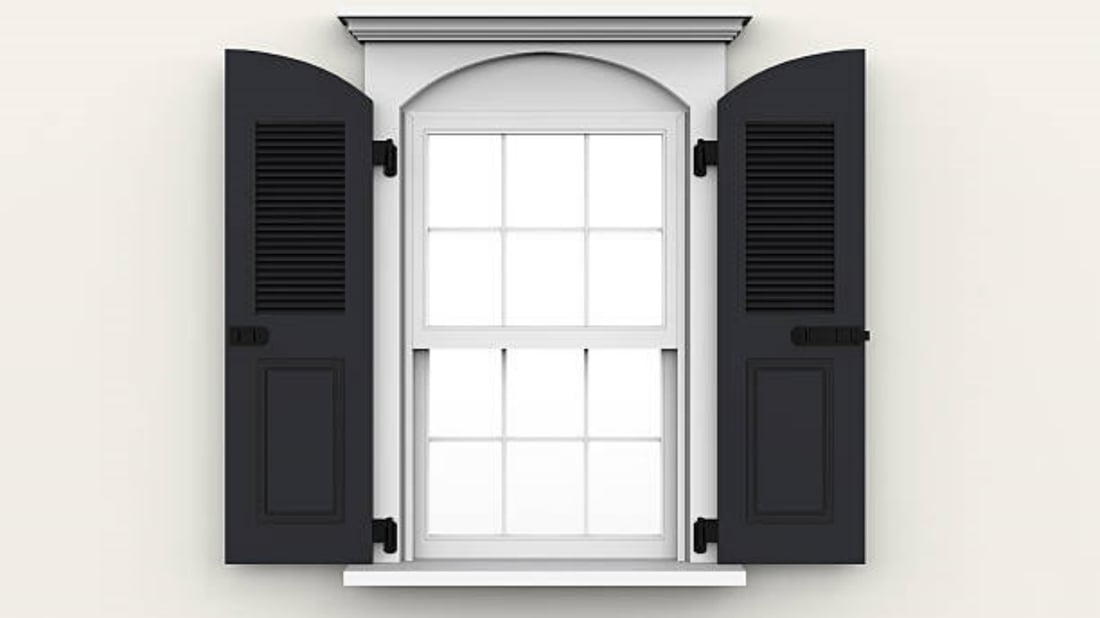
Introduction to Waterproof shutter louvers
Waterproof shutter louvers are purpose-built architectural elements designed to provide effective ventilation while preventing water ingress. Unlike standard louvers, these shutters incorporate materials and designs that ensure resistance against heavy rain, moisture, and humidity. Their innovative waterproof capabilities make them essential for both residential and commercial buildings, especially in regions prone to wet climates or frequent storms.
Materials Used in Waterproof Shutter Louvers
The construction of waterproof shutter louvers often involves high-grade materials such as aluminum, stainless steel, and specially treated wood or composite fibers. These materials undergo treatment or coating processes to enhance their water resistance and durability. Aluminum louvers, for example, are often powder-coated to prevent rust, while composite louvers resist warping and swelling caused by moisture exposure.
Design Features Enhancing Water Resistance
Waterproof shutter louvers employ design elements such as angled slats, overlapping edges, and drainage channels to direct water away from the interior. These features ensure water runs off effectively without seeping through. Some designs also include tight seals or gaskets between louvers to eliminate gaps, making them ideal for areas requiring both ventilation and waterproofing.
Applications in Residential Architecture
In homes, waterproof shutter louvers are increasingly popular for use in bathrooms, kitchens, and exterior windows. They allow airflow to reduce humidity levels while preventing rainwater from entering the living space. Additionally, these shutters can serve as architectural accents, providing a blend of functionality and aesthetic appeal in various façade designs.
Commercial and Industrial Uses
Beyond residential settings, waterproof shutter louvers are vital in commercial and industrial buildings like warehouses, factories, and data centers. They contribute to regulating airflow, temperature, and humidity while protecting sensitive equipment and interiors from water damage. Their robustness and maintenance ease make them a practical choice in demanding environments.
Energy Efficiency and Waterproof Shutter Louvers
Properly installed waterproof shutter louvers can enhance a building’s energy efficiency by facilitating natural ventilation, thereby reducing reliance on air conditioning systems. By preventing water intrusion, these louvers help maintain the integrity of insulation materials and prevent moisture-related issues that can compromise energy performance.
Maintenance and Durability Considerations
Maintaining waterproof shutter louvers is generally straightforward due to the choice of durable, weather-resistant materials. Periodic cleaning to remove debris and inspection for seal integrity ensure long-term performance. Their resistance to corrosion and rot significantly reduces the need for frequent replacements compared to traditional shutters.
Customization and Style Options
Modern waterproof shutter louvers are available in a wide range of styles, finishes, and colors, allowing architects and homeowners to customize them according to design preferences. Options include adjustable slats for controlling airflow, fixed louvers for maximum protection, and decorative trims that complement various architectural styles without sacrificing functionality.
Installation Best Practices
Proper installation of waterproof shutter louvers is critical for maximizing their effectiveness. It involves precise measurements, correct sealing, and secure mounting to prevent water infiltration. Professional installation ensures that water drainage paths function correctly and that the louvers maintain structural integrity through varying weather conditions.
Sustainability and Environmental Impact
Using waterproof shutter louvers made from recyclable materials contributes to environmentally responsible building practices. Additionally, by improving ventilation and reducing energy consumption for cooling, these louvers support sustainable design goals. Their long lifespan and low maintenance further reduce environmental impact over time.