

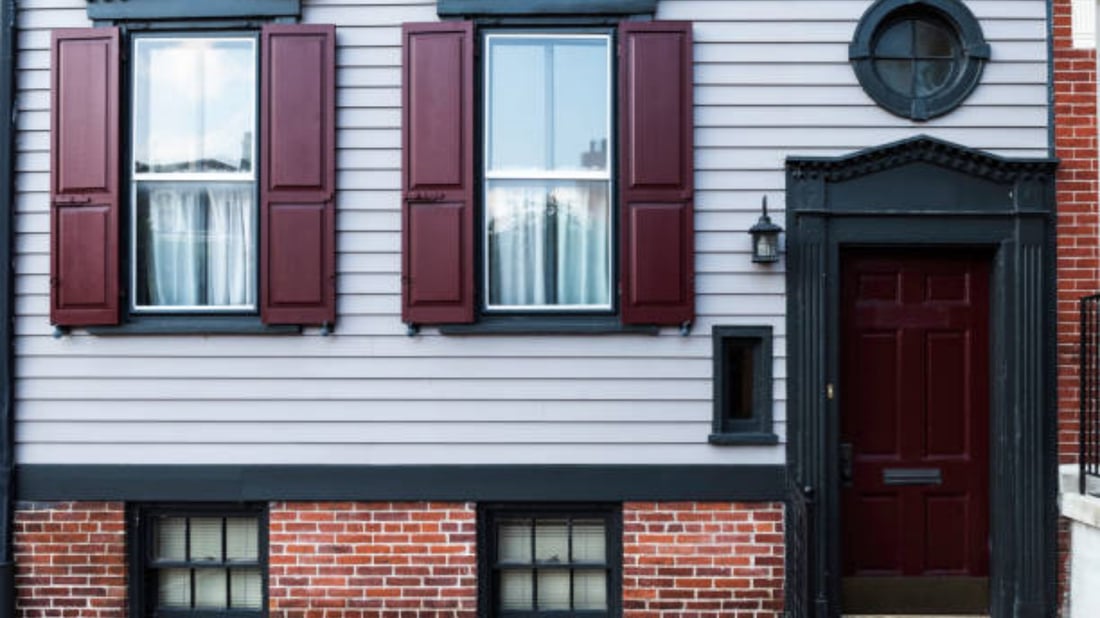
Understanding Decorative shutter louvers and Their Key Features
Decorative shutter louvers are a distinctive architectural element designed to enhance both aesthetics and utility in building exteriors. These louvers consist of angled slats arranged within a shutter frame, offering an appealing blend of ventilation, privacy, and sun protection. Unlike plain shutters, decorative shutter louvers come with intricate patterns, finishes, and materials that complement diverse architectural styles, making them a sought-after choice for homeowners and designers alike.
Historical Significance and Evolution of Decorative Shutter Louvers
Decorative shutter louvers have a rich history that dates back centuries, originally crafted to improve airflow and natural light control in warm climates. Over time, these louvers evolved from purely functional components into ornamental features, reflecting regional artistry and craftsmanship. Today, they embrace modern materials and technologies, marrying traditional charm with contemporary durability, sustaining their relevance in both historic renovations and new construction.
Material Options and Their Impact on Durability
When selecting decorative shutter louvers, understanding material types is crucial. Common options include wood, vinyl, aluminum, and composite materials. Wood offers a classic appeal with natural grain, but requires maintenance to prevent weather damage. Vinyl and aluminum provide cost-effective durability and resistance to fading and cracking. Composite materials strike a balance by mimicking wood’s appearance while ensuring long-term resilience, making them ideal for decorative shutter louvers in varying environmental conditions.
Enhancing Curb Appeal through Decorative Shutter Louvers
One of the primary benefits of decorative shutter louvers lies in their ability to amplify curb appeal. Their intricate design can complement various home styles—from colonial and cottage to modern and Mediterranean—transforming plain facades into visually compelling exteriors. By choosing colors and patterns thoughtfully, homeowners can create a personalized look that highlights architectural features and boosts overall property value.
Ventilation Benefits and Climate Control
Decorative shutter louvers serve a practical purpose by encouraging airflow and moderating indoor temperatures. The angled slats allow fresh air to circulate while shielding interiors from direct sunlight and precipitation. This passive ventilation reduces reliance on air conditioning, contributing to energy efficiency in homes located in warm or humid climates. Additionally, improved airflow helps prevent moisture buildup that can lead to mold or deterioration.
Privacy and Light Management in Living Spaces
Beyond aesthetics, decorative shutter louvers offer adjustable privacy and light control. The fixed or operable slats can filter sunlight, reducing glare without completely obstructing views. This balance is especially important for rooms facing busy streets or neighboring properties. By limiting exposure to direct sunlight, these louvers also help preserve interior furnishings and reduce heat gain, creating a more comfortable living environment.
Customizability and Design Versatility
Modern decorative shutter louvers come in a variety of designs, sizes, and configurations, offering extensive customization options. Homeowners can choose from traditional horizontal slats, intricate lattice patterns, or even custom-milled shapes to suit their unique tastes. The ability to paint or stain louvers further extends design possibilities, allowing integration with existing exterior color schemes or accentuating architectural details.
Installation Considerations and Professional Guidance
Installing decorative shutter louvers requires careful measurement and mounting to achieve both functional and aesthetic goals. Proper installation ensures that louvers are secure, aligned, and able to withstand weather elements. While some DIY enthusiasts may opt for self-installation, consulting with professional installers ensures correct placement and maximizes durability, especially when handling custom or oversized louvers.
Maintenance and Longevity of Decorative Shutter Louvers
Maintenance needs vary depending on the material and finish of decorative shutter louvers. Wooden louvers typically require periodic painting or sealing to protect against moisture and UV damage. Vinyl and aluminum louvers are relatively low-maintenance, often needing only occasional cleaning with mild soap and water. Regular inspection for loose components or fading helps extend the life of decorative shutter louvers, ensuring sustained beauty and function.
Trends and Innovations in Decorative Shutter Louvers
The market for decorative shutter louvers is continuously evolving, influenced by advances in materials, manufacturing techniques, and sustainability trends. Energy-efficient designs incorporating solar reflective coatings and weather-resistant composites are gaining popularity. Additionally, smart home integration now allows for motorized or remote-controlled louvers, combining traditional appeal with modern convenience. These innovations have increased the versatility and appeal of decorative shutter louvers in both residential and commercial architecture.