

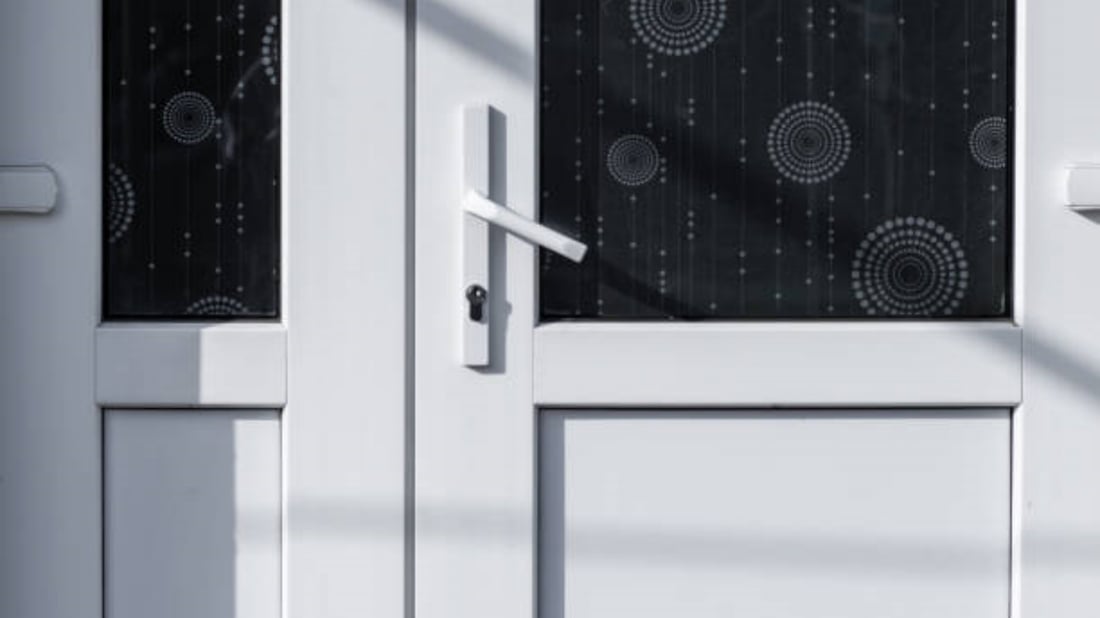
Introduction to White Screen Door Insect Protection
White screen door insect protection offers an essential barrier against unwanted pests while maintaining ventilation and visibility. This type of protection ensures that homes remain bug-free without sacrificing fresh air circulation. In addition, white screen doors provide an attractive and classic aesthetic that complements most home exteriors, enhancing curb appeal while performing a practical function.
Materials Used in White Screen Door Insect Protection
The effectiveness of white screen door insect protection largely depends on the material of the screen. Common materials include fiberglass, aluminum, and polyester mesh. Fiberglass is the most popular choice due to its durability, resistance to dents, and ease of maintenance. Aluminum screens are more rigid and provide excellent insect protection but may be prone to corrosion if not properly treated. Polyester offers a balance between durability and flexibility, often used in retractable screen doors.
Types of White Screen Doors for Insect Protection
White screen doors come in various styles designed for insect protection, such as hinged, sliding, and retractable screens. Hinged screen doors are traditional and swing open like a regular door, ideal for single-entry points. Sliding screen doors are great for patios and large openings, allowing easy movement without compromising insect protection. Retractable screen doors provide flexibility by rolling away when not in use, offering both convenience and efficient pest control.
Installation Techniques for Optimized Insect Protection
Proper installation is crucial to maximizing the effectiveness of white screen door insect protection. Ensuring a tight fit between the door frame and screen prevents gaps where insects can enter. Weatherstripping and secure fastening methods also help maintain a sealed environment. Professional installation guarantees precision, although DIY kits are available for homeowners confident in their skills.
Benefits of White Color in Screen Door Insect Protection
The white color of the screen door isn't just aesthetic—it serves practical purposes. White reflects sunlight, reducing heat absorption and keeping entryways cooler during hot months. It also highlights dirt or damage more easily, prompting timely maintenance. Furthermore, white screen doors tend to blend well with most architectural styles and enhance natural lighting without compromising privacy.
Maintenance Tips for Longevity and Protection
Maintaining white screen door insect protection involves periodic cleaning and inspection. Dirt and debris can reduce visibility and airflow, so gentle washing with mild soap and water is recommended. Regularly checking for tears or loose edges helps prevent insect breaches. Applying protective coatings can also extend the lifespan of the screen material and preserve its white finish.
Energy Efficiency Through White Screen Doors
While primarily designed for pest control, white screen doors can contribute to energy efficiency. By allowing natural ventilation, they reduce the need for air conditioning, saving electricity. The white color's reflective property further supports passive cooling. Strategic use of white screen doors during cooler evenings promotes airflow without compromising home security or insect protection.
Cost Considerations and Value for White Screen Door Insect Protection
Investing in white screen door insect protection is cost-effective compared to ongoing pest control treatments and potential damage from insect infestations. Initial costs vary based on material, type, and installation but are generally affordable for most homeowners. High-quality screen doors offer long-term value by reducing energy bills, enhancing home appearance, and maintaining a healthier indoor environment.
Common Challenges and Solutions in White Screen Door Insect Protection
Challenges such as screen tears, hardware malfunctions, and color fading can affect white screen door insect protection performance. Frequent usage may cause hinges or tracks to wear out, allowing insects to penetrate. Solutions include timely repair or replacement of damaged components, use of UV-resistant coatings to prevent fading, and upgrading to reinforced mesh for enhanced durability.
Future Trends in White Screen Door Insect Protection
Innovations continue to improve white screen door insect protection, integrating technology and materials science. Magnetic and pet-resistant screens offer easy access without sacrificing security. Advanced mesh materials with smaller apertures enhance protection against microscopic pests like no-see-ums. Solar-powered screens with embedded lighting and sensors are emerging, combining insect defense with smart home capabilities for modern living.