

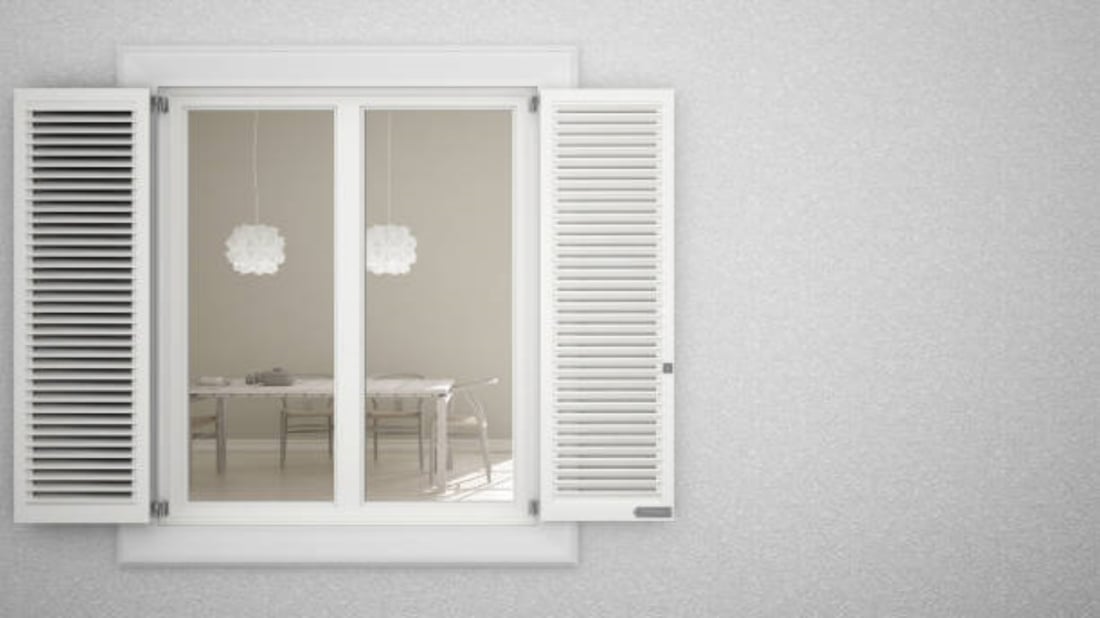
Introduction to High insulation UPVC window technology
High insulation UPVC window technology represents a significant advancement in window manufacturing, combining energy efficiency with durability. UPVC, or unplasticized polyvinyl chloride, offers excellent thermal insulation properties, making these windows ideal for reducing heat transfer and enhancing indoor comfort. This technology caters to the increasing demand for energy-saving building materials amid rising environmental concerns.
Material Advantages of UPVC in Insulation
The high insulation capacity of UPVC stems from its unique molecular structure, which provides a natural barrier to heat flow. Unlike traditional materials such as aluminum or wood, UPVC does not conduct heat efficiently, substantially reducing thermal bridging. This results in improved energy conservation and lower heating or cooling costs in residential and commercial buildings.
Innovations in Multi-Chambered Frame Design
One of the standout features of high insulation UPVC window technology is the multi-chambered frame design. By creating multiple air pockets within the window frame, thermal resistance is significantly increased. This design innovation minimizes heat loss during winter and heat gain in summer, contributing to overall building efficiency.
Energy Savings Through Effective Sealing Systems
High insulation UPVC window technology incorporates advanced sealing systems such as weatherstripping and double- or triple-glazing to prevent air leakage. Proper sealing improves airtightness, which is critical for maintaining insulation. This results in substantial energy savings and reduced maintenance needs over time.
Impact on Indoor Air Quality and Comfort
Beyond thermal benefits, UPVC windows with high insulation technology also contribute to better indoor air quality. The airtight seals minimize external pollutants and allergens entering the building, promoting a healthier living environment. Additionally, improved insulation stabilizes indoor temperatures, enhancing occupant comfort year-round.
Durability and Low Maintenance Requirements
UPVC is known for its resilience against weathering, corrosion, and UV degradation. High insulation UPVC window technology builds on these attributes, ensuring that the thermal performance of the window is maintained for decades with minimal upkeep. This durability makes it a cost-effective, long-term investment for energy-efficient construction.
Environmental Benefits and Sustainability
By reducing energy consumption and greenhouse gas emissions, high insulation UPVC window technology supports sustainable building practices. Many manufacturers now use recyclable UPVC materials and eco-friendly production methods, further enhancing the environmental advantages of this technology.
Customization and Aesthetic Flexibility
Modern UPVC windows with advanced insulation capabilities come in a variety of styles, colors, and finishes, allowing architects and homeowners to customize their appearance without compromising performance. This adaptability makes high insulation UPVC window technology suitable for both traditional and contemporary architectural designs.
Compliance with Building Regulations and Certifications
High insulation UPVC window technology is often designed to meet or exceed international energy efficiency standards and building codes. Certifications like ENERGY STAR and Passive House criteria highlight the windows’ effectiveness in minimizing thermal transfer, ensuring regulatory compliance and eligibility for green building incentives.
Future Trends and Technological Developments
The industry continues to innovate, integrating smart window technologies such as built-in sensors and automated shading that complement the thermal benefits of high insulation UPVC window technology. Research into improved glazing materials and novel insulation layers promises even greater energy savings and environmental benefits in the coming years.