

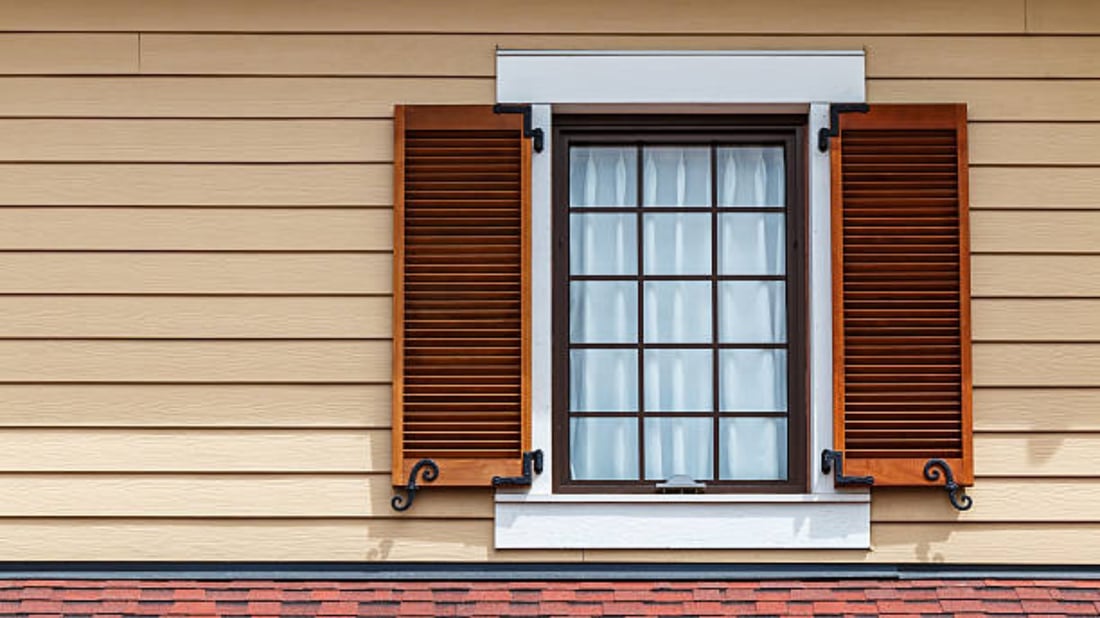
Introduction to Horizontal shutter louvers
Horizontal shutter louvers are architectural elements designed to control light, ventilation, and privacy in buildings. Typically crafted from materials such as aluminum, wood, or PVC, these louvers consist of a series of parallel horizontal slats that can be fixed or adjustable. Their design facilitates airflow while blocking excessive sunlight or unwanted views, making them a popular choice in both residential and commercial properties.
Material Choices and Durability Factors
Choosing the right material for horizontal shutter louvers is crucial for longevity and performance. Aluminum louvers are highly favored for their corrosion resistance, lightweight properties, and low maintenance needs. Wooden louvers offer a natural aesthetic but require regular sealing to withstand weathering. PVC options are cost-effective and weather-resistant, making them ideal for challenging climates. Material selection impacts not only durability but also insulation and environmental footprint.
Advantages in Climate Control and Energy Efficiency
Horizontal shutter louvers play a significant role in improving building energy efficiency. By managing the amount of sunlight entering a space, they reduce heat gain during hot months and permit passive solar warming in cooler seasons. Their ventilation capabilities promote natural airflow, decreasing reliance on mechanical cooling systems. This sustainable feature helps lower energy consumption and enhances indoor comfort.
Privacy and Security Benefits
These louvers offer an effective solution for privacy without sacrificing light and air quality. Their angled slats prevent direct views into interiors while maintaining visibility outward. In some designs, horizontal shutter louvers can also incorporate locking mechanisms or be constructed from impact-resistant materials, thereby adding a security aspect to the building envelope.
Aesthetic Appeal and Customization Options
Horizontal shutter louvers contribute significantly to a building’s façade, creating sleek lines and modern appeal. They are available in various finishes, colors, and slat widths to suit different architectural styles—from minimalist to traditional. Customization allows architects and designers to integrate louvers harmoniously into exterior designs, enhancing curb appeal.
Installation Techniques and Considerations
Proper installation of horizontal shutter louvers is essential for optimal performance. Mounting systems vary depending on material and application, including fixed frames, hinged panels, and motorized adjustable units. Installation should consider local climate conditions, building codes, and potential maintenance accessibility to ensure longevity and functionality.
Maintenance and Cleaning Practices
Maintaining horizontal shutter louvers involves regular cleaning to remove dust, debris, and environmental pollutants. Aluminum louvers typically require simple washing with water and mild detergent, while wooden versions need treatments to prevent rot and insect damage. Periodic inspections help identify mechanical wear or alignment issues in adjustable louvers, ensuring continued smooth operation.
Applications Across Various Building Types
Horizontal shutter louvers are versatile across diverse structures, including residential homes, office buildings, industrial facilities, and educational institutions. In commercial setups, they are often used to control solar glare on glass façades, while in homes, they enhance privacy and aesthetics. Industrial applications focus more on ventilation and protection against the elements.
Integration with Smart Home and Building Automation
Modern horizontal shutter louvers can be integrated with smart technology for automated control. Motorized louvers connected to sensors or building management systems adjust in response to sunlight intensity, temperature, or occupancy. This smart integration optimizes comfort, improves energy savings, and offers convenience for building users.
Environmental Impact and Sustainability Considerations
Using horizontal shutter louvers contributes to sustainable architecture by reducing energy needs and utilizing recyclable materials. Aluminum louvers, in particular, can be recycled at the end of their lifecycle. Additionally, louvers promote natural ventilation and daylighting, lowering the carbon footprint of buildings. These features align with green building certifications and eco-friendly construction practices.