

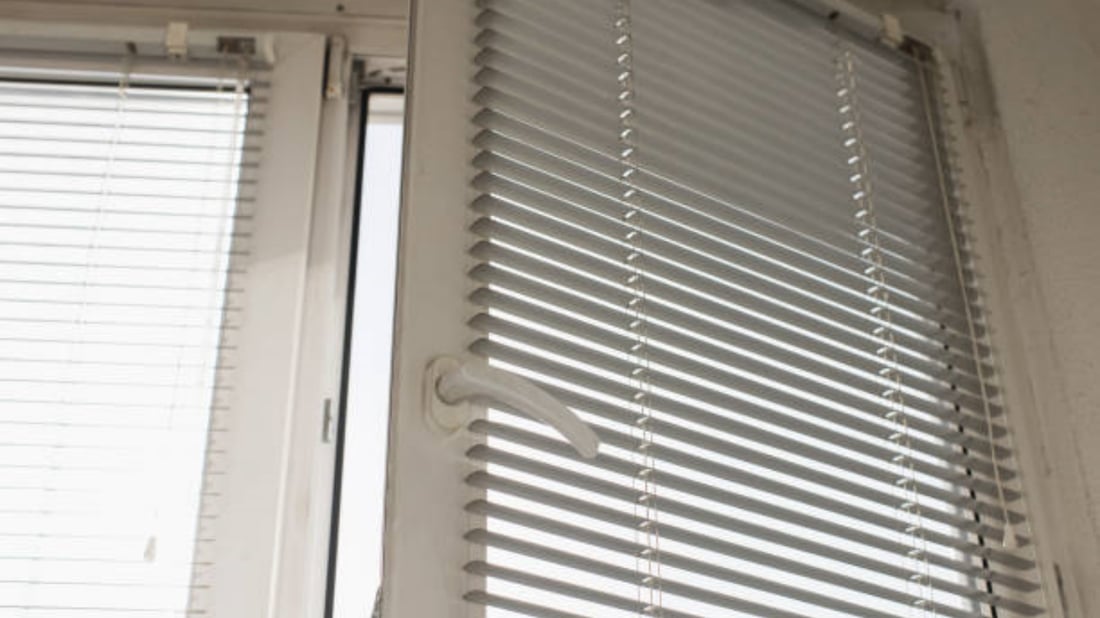
Introduction to Low-E micro-foam UPVC windows
Low-E micro-foam UPVC windows combine cutting-edge insulation technology with durable UPVC frames, creating an energy-efficient solution for modern buildings. These windows incorporate low-emissivity (Low-E) coatings that reflect infrared heat, while their micro-foam filled frames enhance thermal insulation. Together, these features reduce heat transfer significantly, making them a preferred choice for energy-conscious homeowners and builders alike.
How Low-E Coatings Enhance Window Performance
The Low-E coating on the glass surface plays a pivotal role in lowering energy consumption by reflecting heat back to its source. During winters, it keeps interior heat inside, maintaining comfort without overreliance on heating systems. In summer, it reflects the sun’s heat outdoors, minimizing indoor cooling costs. This selective reflection optimizes natural light while reducing harmful UV radiation, protecting furnishings from fading.
The Role of Micro-Foam in UPVC Window Frames
Micro-foam technology involves injecting tiny cells of foam into the hollow cavities within UPVC frames. This process dramatically improves the window’s insulation properties by reducing cold bridging and enhancing rigidity. The micro-foam acts as a thermal barrier, keeping the indoor environment stable and reducing energy loss through the frame structure itself, beyond what standard UPVC can achieve.
Energy Efficiency Benefits of Low-E Micro-Foam UPVC Windows
Incorporating both Low-E glass and micro-foam frames boosts the overall energy efficiency of windows, cutting heating and cooling demands. This translates into substantial savings on energy bills and a lower carbon footprint for households. Many regions also recognize these windows within energy rebate programs, incentivizing installations that meet high efficiency standards.
Durability and Weather Resistance Advantages
UPVC windows are known for their low maintenance and resistance to weather elements, and micro-foam reinforcement adds to their structural strength. These windows withstand extreme temperatures, moisture, and UV exposure without warping or degrading. This durability ensures long-lasting performance and retains visual appeal for years with minimal upkeep.
Soundproofing Features of Low-E Micro-Foam UPVC Windows
The combined materials in these windows offer enhanced acoustic insulation. Micro-foam in the frames and multi-layered Low-E glass work synergistically to diminish outside noise infiltration. This feature is particularly valuable in urban or busy environments where peace and quiet are essential for comfort and productivity indoors.
Environmental Impact and Sustainability Factors
Using Low-E micro-foam UPVC windows contributes to sustainable building practices by reducing energy consumption and greenhouse gas emissions. UPVC is also recyclable, and advances in manufacturing have lowered the environmental footprint of their production. Choosing these windows supports green building certifications and promotes long-term ecological responsibility.
Design Flexibility and Aesthetic Considerations
Available in various styles, colors, and finishes, Low-E micro-foam UPVC windows offer architects and homeowners design versatility. Their sleek appearance can emulate traditional timber frames while offering modern performance benefits. Customizable glazing and hardware options further enable seamless integration with diverse architectural themes.
Cost-Effectiveness and Long-Term Value
Although the initial investment in Low-E micro-foam UPVC windows may be higher than standard alternatives, their durability and energy savings yield excellent long-term value. Reduced utility costs and minimal maintenance expenditures make them economically viable. Additionally, enhanced comfort and potential property value uplift justify their premium pricing.
Installation Best Practices and Maintenance Tips
Proper installation is key to maximizing the benefits of Low-E micro-foam UPVC windows. Professional fitting ensures airtight seals and optimal thermal performance. Maintenance is straightforward, usually requiring only periodic cleaning with mild detergents and avoiding abrasive tools. Regular inspection maintains seals and hardware integrity, securing longevity and reliability.