

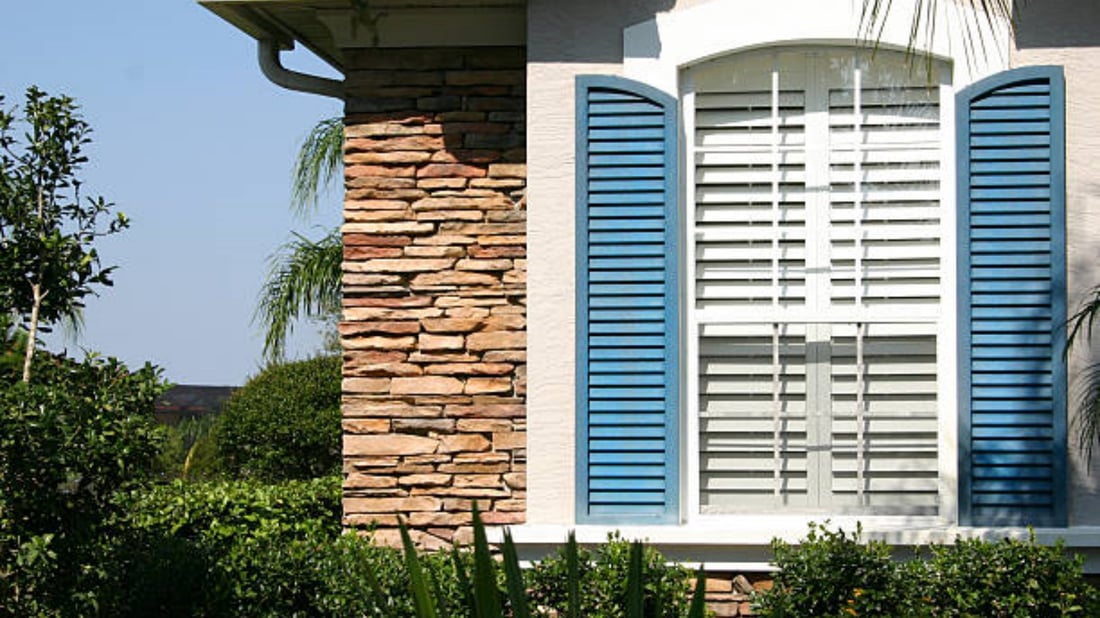
Understanding Shutter louvers: Definition and Purpose
Shutter louvers are the horizontal slats or blades integrated into window shutters, designed to control light, airflow, and privacy. These adjustable or fixed slats can be angled to regulate the amount of sunlight entering a room, offering both functional and aesthetic advantages. Their efficiency in managing ventilation while maintaining privacy has made shutter louvers a popular choice in both residential and commercial settings.
Materials Used in Shutter Louvers
Shutter louvers are manufactured from diverse materials including wood, vinyl, composite, and aluminum. Wooden louvers are valued for their classic appearance and natural insulation properties, whereas vinyl and composite louvers provide greater resistance to moisture and insect damage. Aluminum louvers are favored for durability and a modern aesthetic. The material choice impacts durability, maintenance needs, and overall cost.
Types of Shutter Louvers: Fixed vs. Operable
Shutter louvers come primarily in two types: fixed and operable. Fixed louvers remain in a stationary position, offering a clean, decorative look with minimal maintenance. Conversely, operable louvers are adjustable and allow users to modify the angle, controlling light and ventilation dynamically. The choice between these two depends on functional requirements and design preference.
Benefits of Installing Shutter Louvers
Shutter louvers provide numerous benefits including enhanced light control, improved air circulation, and added privacy. They also contribute to energy efficiency by reducing heat gain from sunlight and maintaining a comfortable indoor environment. Additionally, shutter louvers enhance home security and can increase property value due to their aesthetic appeal and functionality.
Design Variations and Customization Options
Modern shutter louvers come in a broad range of designs, sizes, and finishes to suit various architectural styles. From traditional plantation louvers with wider slats to narrow contemporary designs, the customization options allow homeowners to match their interiors and exteriors seamlessly. Color finishes and hardware choices further personalize shutter louvers for distinctive looks.
Installation and Maintenance Considerations
Proper installation of shutter louvers ensures optimal performance and longevity. Professional fitting is recommended to align louvers correctly for smooth operation and durability. Maintenance varies by material but typically involves regular dusting, occasional cleaning with mild detergents, and periodic inspection to prevent wear. Wooden louvers may require refinishing to preserve their look.
Shutter Louvers in Different Architectural Styles
Shutter louvers complement numerous architectural styles ranging from classic colonial homes to modern minimalistic buildings. Traditional plantation-style louvers enhance heritage homes, while sleek aluminum louvers suit contemporary designs. Their adaptability makes shutter louvers an enduring feature for enhancing both historical aesthetics and modern facades.
Environmental Impact and Energy Efficiency
By controlling solar heat and allowing natural ventilation, shutter louvers contribute positively to environmental sustainability. They reduce reliance on artificial lighting and air conditioning, resulting in lower energy consumption. Choosing eco-friendly materials like sustainably harvested wood or recycled composites can further reduce the environmental footprint of shutter louvers.
Cost Factors and Budgeting for Shutter Louvers
The cost of shutter louvers varies depending on material, size, louver type, and customization. Wooden louvers tend to be more expensive due to craftsmanship and material expenses, whereas vinyl or composite options offer budget-friendly alternatives. Considering installation and maintenance costs is essential for accurate budgeting when planning to install shutter louvers.
Popular Applications of Shutter Louvers Beyond Windows
Beyond traditional window shutter uses, shutter louvers find applications in interior spaces such as room dividers, cabinet doors, and ventilation panels. Their ability to allow airflow while maintaining privacy makes them ideal for closets, laundry rooms, and pantries. Innovative architects also incorporate shutter louvers into exterior facades and sunshades, demonstrating their versatile functionality.