

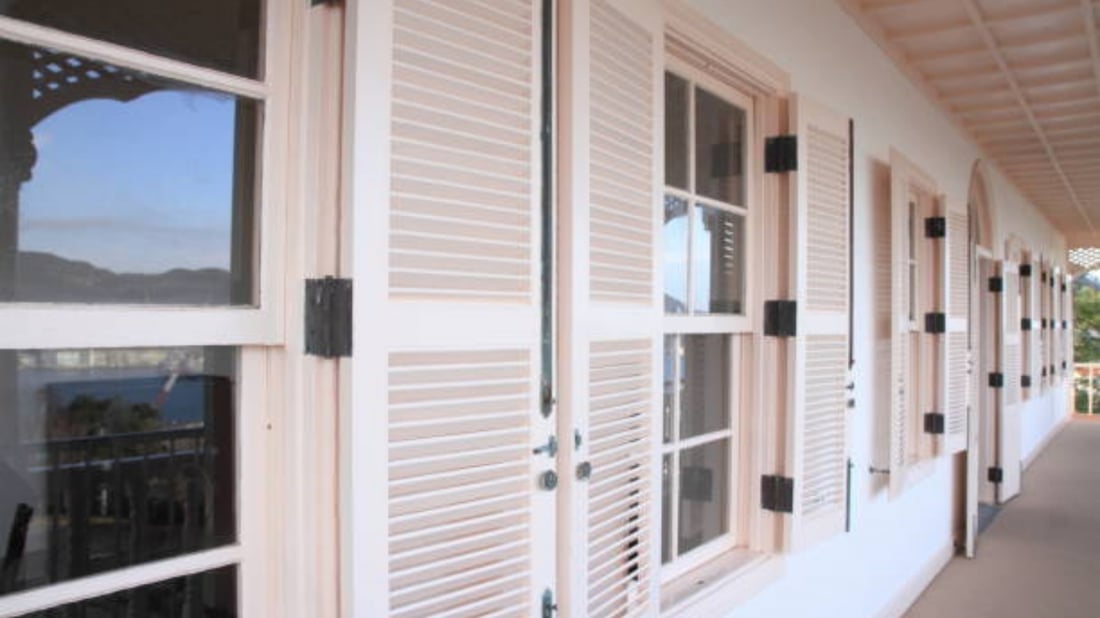
1. Understanding Outdoor shutter louvers
Outdoor shutter louvers are angled slats typically found within window shutters, designed to allow airflow and light control while providing privacy and protection from the elements. These louvers are pivotal components in outdoor shutters, balancing ventilation and shading needs. Whether made from wood, vinyl, or composite materials, outdoor shutter louvers enhance the functionality and aesthetic appeal of homes.
2. Materials Used in Outdoor Shutter Louvers
The choice of material for outdoor shutter louvers directly influences durability, appearance, and maintenance requirements. Common materials include hardwood like cedar or teak for a classic look, vinyl for low maintenance, and composite materials that combine strength with weather resistance. Understanding these options helps homeowners select the ideal louvers for longevity and style.
3. Ventilation and Light Control Benefits
Outdoor shutter louvers are engineered to regulate airflow and natural light inside a home. Their angled design allows fresh air to enter while minimizing direct sunlight, reducing indoor heat buildup. This controlled ventilation is especially beneficial in warm climates, helping to maintain comfortable indoor temperatures without relying solely on air conditioning.
4. Enhancing Privacy and Security
Outdoor shutter louvers contribute significantly to home privacy by obstructing direct views from outside while still permitting airflow. When closed, they act as an additional barrier against intruders and protect windows from damage caused by storms or flying debris. The sturdy construction of louvers serves both aesthetic and security purposes.
5. Architectural Styles and Design Flexibility
Louvers come in diverse styles—from traditional and colonial to modern and plantation designs—allowing adaptation to a variety of architectural aesthetics. The size, spacing, and angle of outdoor shutter louvers can be customized to complement the home's exterior, enhancing curb appeal and creating a cohesive look with other architectural elements.
6. Energy Efficiency and Climate Adaptation
Properly designed outdoor shutter louvers can contribute to a home’s energy efficiency by reducing solar heat gain during hot months and allowing passive ventilation. By minimizing reliance on heating and cooling systems, these louvers help in lowering energy bills and minimizing environmental impact, making them an eco-friendly choice.
7. Installation Considerations for Outdoor Shutter Louvers
Installing outdoor shutter louvers involves careful measurement and selection to ensure optimal fit and functionality. Professional installation guarantees proper alignment and secure mounting, which enhances durability and performance. Homeowners should consider whether louvers will be operable or fixed, as this affects installation complexity and usability.
8. Maintenance and Longevity of Louvers
Maintenance requirements for outdoor shutter louvers vary by material. Wooden louvers may need periodic sanding, painting, or sealing to prevent rot or warping, while vinyl and composite louvers generally require less upkeep. Regular cleaning and inspections extend the lifespan and maintain the louvers’ aesthetic, protecting the investment over time.
9. Cost Factors and Value Addition
The price of outdoor shutter louvers depends on material choice, design complexity, and installation costs. Though the initial investment can vary, louvers add tangible value by enhancing the home’s exterior and improving energy efficiency. Long-term savings on utilities and improved property resale value often justify the upfront expense.
10. Trends and Innovations in Outdoor Shutter Louvers
Recent trends in outdoor shutter louvers include smart operable louvers that can be adjusted remotely for optimal light and airflow control. Advances in materials have resulted in more weather-resistant and sustainable options. These innovations make outdoor shutter louvers more versatile and attractive to modern homeowners seeking both form and function.