

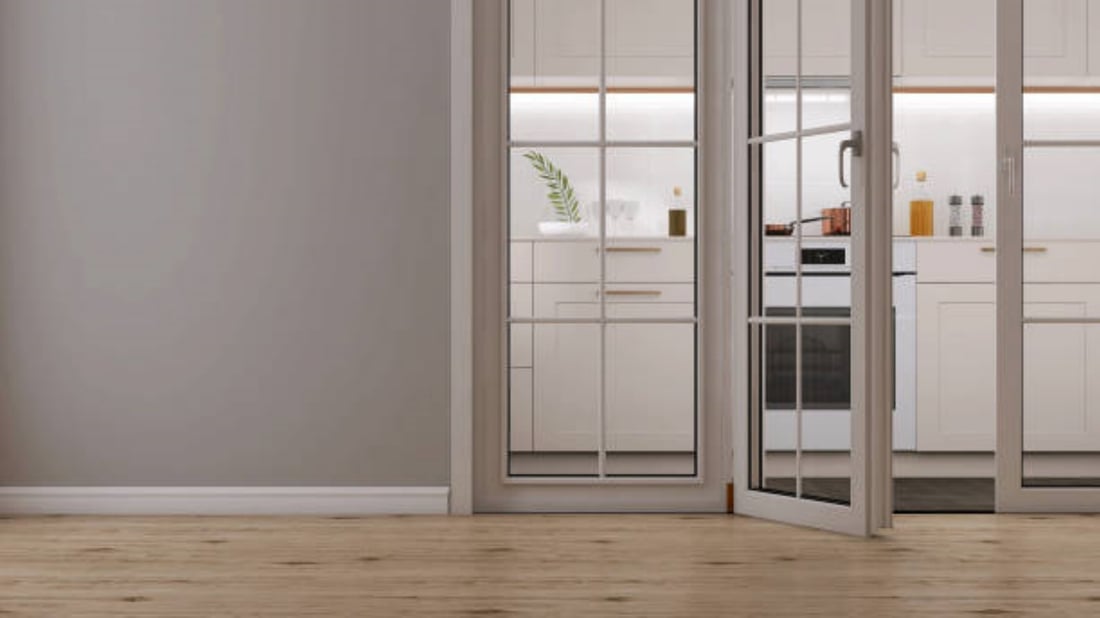
Understanding the Basics of PVC Screen Door Adjustment Tricks
PVC screen door adjustment tricks begin with comprehending the door’s components and how they interact. Knowing the frame, hinges, rollers, and latch mechanisms helps in identifying the root cause of any misalignment or operational issues. This foundational knowledge streamlines troubleshooting and ensures that adjustment efforts yield lasting results.
Identifying Common Issues That Require PVC Screen Door Adjustments
Before applying any tricks, it is vital to observe common problems such as door sagging, sticking, rattling, or difficulty closing. These symptoms often point to loose hinges, worn rollers, or warped frames. Recognizing these issues early enables timely adjustments and prevents further damage or the need for costly replacements.
Adjusting Hinges for Optimal Alignment
One of the most effective PVC screen door adjustment tricks involves tweaking the hinge screws. Loosening and repositioning the hinges can correct sagging doors and ensure they sit flush within the doorframe. Using a screwdriver to fine-tune the hinge placement helps maintain door stability and smooth operation over time.
Utilizing Rollers to Enhance Sliding Performance
For sliding PVC screen doors, roller adjustment is crucial. Many doors feature adjustable rollers found at the bottom edge, allowing height and tilt modifications. Raising or lowering the rollers can eliminate dragging or gaps along the track, ensuring seamless opening and closing actions.
Fixing Latch Misalignment with Simple Tweaks
Misaligned latches cause doors to not lock properly or remain ajar. PVC screen door adjustment tricks include realigning or slightly bending the latch strike plate so the latch fits snugly. In some cases, replacing a worn latch assembly might be necessary, but minor adjustments often resolve the issue efficiently.
Eliminating Screen Door Rattling by Tightening Hardware
Loose screws or fittings cause rattling noises during wind or movement. Tightening all screws, including those on hinges, rollers, and handles, reduces vibration. Applying weatherstripping along the edges also cushions the door, minimizing noise and improving insulation.
Addressing Warped Frames with Pressure and Heat Techniques
Warped PVC door frames affect alignment and operation. Applying gentle pressure combined with warm air—such as from a heat gun—can allow the frame to regain its shape. This technique requires caution to avoid damage but is a useful trick to restore frame integrity without full replacement.
Lubrication Tips for Smooth Door Movement
Another vital trick in PVC screen door adjustment is lubricating moving parts like rollers and hinges. Using silicone-based lubricants helps prevent buildup and corrosion, ensuring doors glide effortlessly. Regular lubrication is a simple preventative measure that complements mechanical adjustments.
Installing Door Stoppers and Bumpers for Added Protection
Adding door stoppers and bumpers helps protect PVC screen doors from damage due to forceful closing or wind gusts. These protective accessories absorb impact and reduce strain on the door’s components, thus preserving structural integrity and reducing the need for frequent adjustments.
Maintaining Your PVC Screen Door for Long-Term Performance
Routine maintenance is a key PVC screen door adjustment trick. Periodic inspections, cleaning of tracks, tightening hardware, and monitoring weatherstripping extend the door's lifespan and prevent many common malfunctions. Consistent care reduces the frequency of major adjustments and repair costs.